When it comes to versatile and durable storage solutions, an A-frame storage shed is a top contender. These unique structures offer ample space for your belongings while providing an attractive addition to any property. In this comprehensive guide, we will delve into the various aspects of designing and constructing an A-frame storage shed that meets your specific needs.
A-Frame Storage Shed Design
The A-frame storage shed design is a simple, strong, and movable solution for keeping equipment like a riding lawnmower dry and clean. This unique structure consists of two walls attached at the top instead of connected trusses, allowing for easy disassembly and relocation when needed. Perfect for temporary or permanent use on campgrounds or other outdoor spaces.
One of the main benefits of an A-frame storage shed is its ease of assembly. With just a few basic carpentry skills and tools like a speed square, you can quickly assemble this sturdy structure without professional help.
Building Process and Materials for A-Frame Storage Shed
Building an A-frame storage shed is a breeze. It involves selecting appropriate materials such as lumber, metal panels, ridge caps, screws, and nails. With these items in hand and basic carpentry skills, you can create a sturdy and functional shed that will keep your equipment safe from the elements.
1. Lumber Package Selection
When choosing a lumber package for your A-frame storage shed, consider the type of wood that best suits your needs. Pressure-treated lumber is an excellent choice due to its resistance against rot and insects, while cedar or redwood offers natural beauty with added durability. Pick high-quality lumber that is straight and free of knots or other defects.
2. Cutting Boards at Precise Angles
Using a speed square or similar tool will help you accurately measure and cut the necessary angles on each board used in constructing your A-frame shed. This precision ensures proper alignment during assembly, resulting in a stable structure capable of supporting heavy loads.
Start by constructing two 16×16 foot walls with angled cuts at the top. These angles allow the roof panels to fit snugly against each other while providing adequate support for your shed’s weight. Measure carefully and cut precisely so that your walls are level and secure.
3. Assembling Walls Using Screws/Nails
Attach two 16×16 foot walls at their top edges using screws or nails (your choice). This creates the A-frame shape that gives this shed design its name. Use appropriate fasteners for your chosen materials and double-check measurements before securing pieces together.
Once you’ve assembled both walls, connect them using horizontal support beams across their tops. These beams provide additional stability and help distribute weight evenly throughout the structure. Add any necessary cross-bracing or reinforcement based on your specific storage requirements.
Ensure that all connections are tight and properly aligned before moving on to installing metal roofing panels for maximum stability and protection from weather elements.
Key Takeaway: The A-frame storage shed design is a movable solution for keeping equipment dry and clean. Building it is a straightforward process that requires minimal materials and basic carpentry skills - choose high-quality lumber, cut boards at precise angles, and assemble walls securely using screws or nails. With these steps, you'll have a functional outdoor space perfect for storing equipment or even adapting into small cabins for campgrounds.
Metal Roof Installation
Installing a metal roof on your A-frame storage shed is a smart move to protect your equipment from harsh weather. Metal roofs are durable and can withstand rainstorms and snowfall. Here are the steps to install a metal roof:
1. Selecting the Right Panel Sizes
Calculate the dimensions of your roof space to figure out how many metal roof panels you’ll need. Choose high-quality metal roofing panels designed for outdoor use.
2. Attaching Metal Sheets Securely to Frame
Lay out each sheet along one side of the structure, overlapping them slightly at the edges. Use screws designed for metal roofs with rubber washers to create a watertight seal. Align each panel carefully before screwing them together tightly. Follow the manufacturer’s guidelines for screw placement and spacing.
3. Sealing Gaps with Ridge Cap Installation
Seal off any gaps between the edges of the panels using ridge caps. Ridge caps prevent water infiltration during rainstorms or snowfall. Place them over each seam where two panels meet at their highest point. Secure them down into position using appropriate screws.
Proper ridge cap installation is crucial for maintaining the integrity of your A-frame storage shed’s metal roof. Pay attention to the details and carry out these instructions for a structure that is long-lasting and resistant to weather, preserving your belongings safely for many years.
Moving Your A-Frame Shed Safely
An A-frame storage shed is a great investment for anyone who needs extra storage space. But what happens when you need to move it? Don’t worry, with proper planning and execution, moving your shed can be a breeze. Here’s how to do it safely and efficiently.
1. Disassembling Walls Carefully
The first step in moving your A-frame shed is to carefully disassemble the walls. Remove all items stored inside and detach each wall from one another. Label each board or piece as you remove it for easier identification during reassembly.
If you have larger parts like roof panels and double doors, enlist a friend or family member’s help to prevent injury or accidental damage.
2. Utilizing Heavy Machinery Assistance if Required
In some cases, heavy machinery such as an excavator may be necessary for safe relocation. This equipment can provide additional support in lifting heavier components off their foundations without causing undue stress on individual parts of the frame itself. Be sure to prepare the site and secure your structure for transport.
3. Reassembling Your Shed at Its New Location
Once the components of your A-frame storage shed have been transported to their new location, reassembling them in the same order they were disassembled is necessary. This process will involve reconnecting each wall piece by piece, ensuring that every screw or nail is securely fastened before moving on to the next step. Start with assembling the base frame and walls, attach roof panels, and add any additional features such as double doors or windows if applicable.
With these tips, you can move your A-frame shed safely and efficiently. Whether you’re reorganizing your property or relocating entirely, your shed can come with you. Happy moving.
Key Takeaway: Moving an A-frame storage shed can be done safely and efficiently by carefully disassembling the walls, utilizing heavy machinery if necessary, and reassembling it in the same order. It is important to label each board or piece for easier identification during reassembly and enlist a friend's help for larger pieces like roof panels and double doors to prevent injury or accidental damage. Finally, ensure that every screw or nail is securely fastened before moving on to the next step of assembly at its new location.
Adapting the Design for Campground Cabins
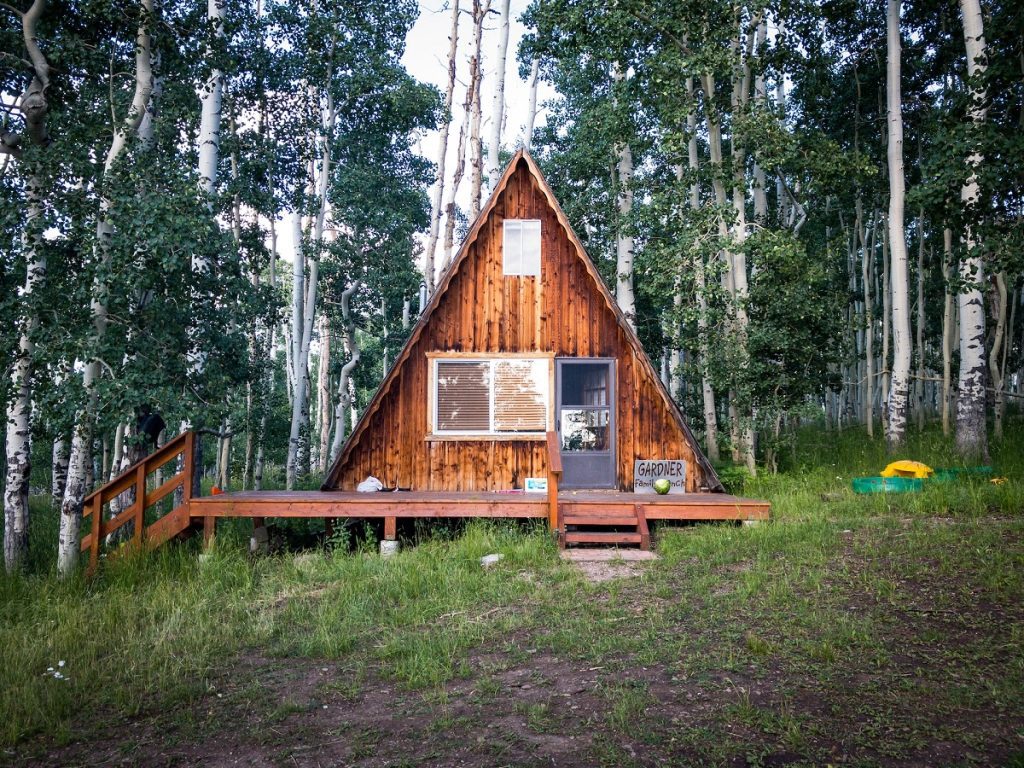
Transforming an A-frame storage shed into a charming and rustic campground cabin is easier than you think. These cozy accommodations offer a unique experience for guests, blending seamlessly with the natural surroundings while providing functional shelter. Here’s how you can downsize dimensions and incorporate local materials to create the perfect getaway.
1. Downsizing Dimensions
Start by adjusting the A-frame’s size according to your needs and available space. Smaller dimensions make it more suitable as living quarters while still retaining its signature shape. Consider reducing wall heights or overall square footage depending on your requirements.
Keep in mind that smaller cabins may require additional insulation or heating solutions during colder months.
2. Incorporating Local Materials
Using locally sourced materials not only supports nearby businesses but also helps maintain an authentic look that complements the surrounding environment of your campground site. Here are some ideas:
- Rough-Sawn Lumber: Opting for rough-sawn lumber gives your cabin walls a rugged appearance that blends well with nature’s beauty. This type of wood is typically less expensive than finished lumber products since it hasn’t been planed smooth or sanded yet.
- Board-and-Batten Fronts: Board-and-batten siding consists of wide boards placed vertically side-by-side with narrow strips (battens) covering their seams, creating an attractive exterior finish reminiscent of traditional rural architecture. This style is particularly fitting for a campground cabin, as it adds character and charm.
- Reclaimed Wood: Incorporating reclaimed wood into your cabin design can add an element of history while also being environmentally friendly. Use this material for flooring, wall paneling, or even furniture pieces to create a unique atmosphere that reflects the local heritage. Find out how to use reclaimed wood in your project here.
By downsizing dimensions and incorporating locally sourced elements like rough-sawn lumber or board-and-batten fronts, you’ll be able to provide guests with comfortable accommodations that blend seamlessly with their natural surroundings. Make their stay at your campground all the more memorable.
Key Takeaway: Transform an A-frame storage shed into a charming and rustic campground cabin by downsizing its dimensions and incorporating locally-sourced materials such as rough-sawn lumber, board-and-batten fronts, or reclaimed wood. This will create comfortable accommodations that blend seamlessly with the natural surroundings of your campground site.
Frequently Asked Questions
Are shed frame kits worth it?
Shed frame kits can be a cost-effective and convenient option for those with limited construction experience, providing all the necessary materials, instructions, and support to build a sturdy storage shed quickly.
However, customization options may be limited compared to building from scratch, so weigh the pros and cons before making a decision.
What is an A-frame shed?
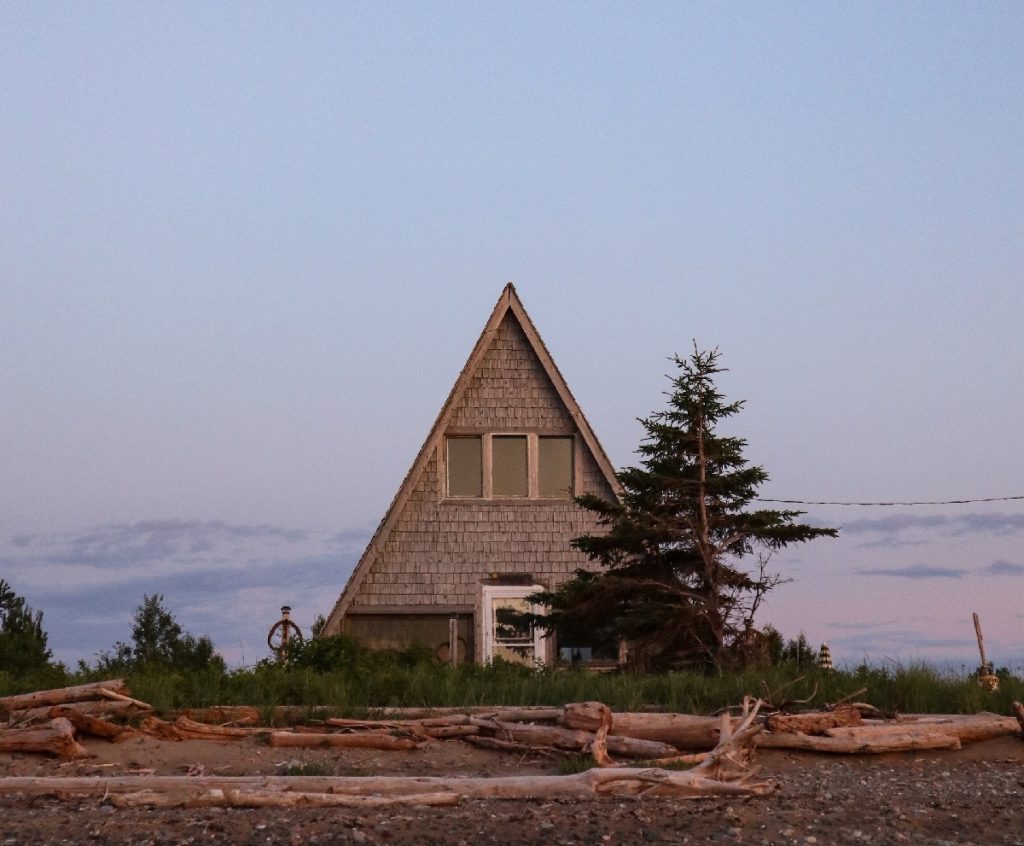
An A-frame shed is a type of outdoor storage structure characterized by its distinctive triangular roof design that resembles the letter “A.”
This style offers efficient use of materials, structural stability, and resistance against harsh weather conditions like snow or heavy rain, making it a popular choice for many homeowners.
What is the stud spacing for a storage shed?
The standard stud spacing for most residential structures, including storage sheds, is 16 inches on center (OC), ensuring adequate strength while minimizing material usage.
However, depending on your specific needs or local building codes, you may choose 24-inch OC spacing as well.
How long will an untreated shed last?
Untreated wooden sheds typically last around 10-15 years before showing signs of rot or decay due to exposure to moisture and insects over time.
To extend the lifespan of your shed, consider using pressure-treated lumber or applying a wood preservative to protect against moisture and pests.
Conclusion
Looking to add some extra space to your property? Consider building an A-frame storage shed – a simple yet sturdy design that can be easily assembled with precise cuts and screws/nails.
Handymen and DIY enthusiasts alike can take on this project, while those interested in downsizing dimensions and incorporating local materials can adapt the design for campground cabins.
Overall, an A-frame storage shed is a versatile solution that can meet your needs, whether you’re building it yourself or buying an off-the-shelf option.