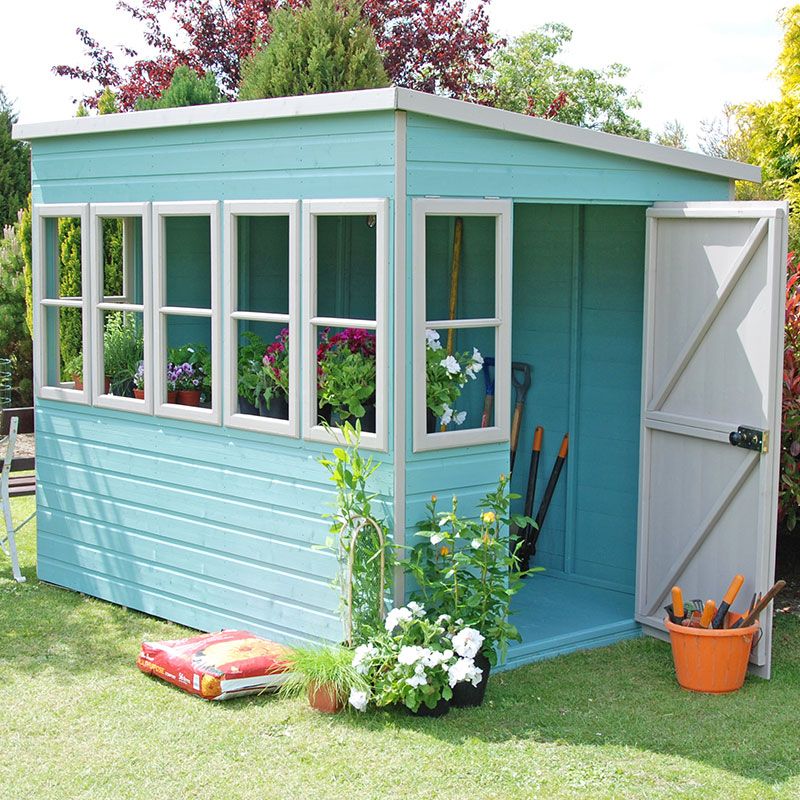
Choosing the Right Garden Shed
 Selecting a garden shed is not as simple as picking one off the shelf. Considering your individual requirements and how you plan to use the external area is essential when selecting a garden shed.
Your decision should be guided by what you want out of your garden shed, whether it’s storing gardening tools or serving as an additional living space for hobbies or work.
Intended Use of the Shed
 Apart from being used purely for storage purposes, garden sheds can serve multiple functions depending on one’s lifestyle and interests. They could double up as a workspace where tasks such as potting plants or working on DIY projects are carried out regularly.
Similarly, if it’s going to be primarily used as an office, insulation, window placement, etc., should be carefully considered.
Determining the Best Location for Your Shed
 Finding an ideal site for your shed calls for strategic planning. To start off, think convenience – having it close to your house or garage makes accessing items from inside much easier.
If you’re looking at using it as a workspace or greenhouse-type structure, then plenty of light becomes essential. But if storing temperature-sensitive equipment/materials, a shaded area might work better.
Timber Sheds
 Pros:
Pros:
The charm of timber sheds lies in their traditional look, which seamlessly blends with most garden landscapes. The insulation properties are top-notch too, keeping it cool during summer months while retaining warmth when winter rolls around.
Cons:
However, there’s no escaping from regular maintenance such as painting or staining to keep weather-induced rotting or warping at bay.
Metal Sheds
 Pros:
Pros:
If durability and strength are what you’re after, metal sheds won’t disappoint. Unlike their wooden counterparts, they don’t warp or rot over time and require less upkeep overall. They also have fire-resistant qualities, an added safety bonus if storing flammable items like paint thinners inside your shed is on the cards.
Cons:
On the flip side, though, metal structures may not win any beauty contests compared with wood. Moreover, without proper ventilation, condensation can become an issue.
Concrete Sheds
 Pros:
Pros:
Concrete sheds are known for extreme durability against pests (like termites) that could damage a wooden structure. Furthermore, concrete offers superior protection against harsh weather conditions, including high winds. The thermal mass helps regulate temperature inside, keeping it cooler during hot summers while retaining heat in colder months.
Cons:
Though concrete offers a number of advantages, the cost and labor involved in constructing it can be significant. Once built, they cannot be moved unlike lighter timber or metal options.
Cost Factors To Consider When Buying A Shed
 The first thing you’ll want to think about is how big of a space you need. Larger sheds naturally require more materials, which can bump up costs significantly. However, going too small might mean extra expenses down the line if it turns out not all your gardening tools fit inside.
Your choice in construction material also plays an important role here; wooden sheds often come with higher price tags due to their durability and aesthetic appeal, but they do require regular maintenance that could add up over time. On the other hand, metal and plastic alternatives are generally cheaper upfront but may lack longevity or offer less security.
Last but definitely not least: will you be rolling up your sleeves and building this yourself? Or would you rather save some time by buying one ready-made? Building from scratch gives you room for customization, while off-the-shelf models are convenient yet potentially pricier with limited design flexibility. Weigh both sides before deciding.
Comparing Prices Between Different Types Of Sheds
 In order to make sure you’re getting the best value for your money, it’s crucial to compare prices across different types and sizes of garden sheds. This way, you’ll have a clear idea of what average market rates look like, whether you’re considering timber, metal, or plastic options. However, don’t forget to consider long-term investment as well – sometimes, it pays to spend a little bit now to avoid hefty repair or replacement bills in the future.
To streamline the process further, I recommend creating a simple spreadsheet listing all possible choices along with the pros, cons, and associated costs. Though the most economical option isn’t necessarily the best, this organized approach guarantees that all possibilities are thoroughly explored before settling on a decision.
Incorporating Workspace


Additional Lighting


Building Your Own Shed
 Advantages:
If you’re someone who thrives in hands-on projects or has specific visions for every detail of your shed – from its blueprint to the materials utilized – then constructing it yourself might just hit the mark. Constructing your own shed allows you to have full control over the size, design, materials utilized and overall look.
Disadvantages:
In contrast though, building a storage shed necessitates not only a considerable investment of time but also meticulous planning stages. This includes dealing with elements like securing necessary permits or sourcing quality materials within your set budget range. Moreover, if carpentry isn’t exactly second nature to you or DIY endeavors aren’t part of your regular repertoire, this could turn out to be more challenging than initially thought.
Purchasing A Pre-Built Garden Shed
 Advantages:
On the flip side, buying an already assembled garden shed saves a significant amount of time since they come ready-made right off the bat. All that’s left is deciding where to best position it within your yard space. This option proves particularly beneficial for those juggling busy schedules and unable to commit large chunks of time towards building sheds from scratch.
Disadvantages:
A potential downside, however, may lie in limited customizability compared to self-built counterparts. Most manufacturers offer finite designs which might not perfectly align with your unique storage needs and aesthetic preferences. Additionally, while the initial cost seems lower due to no construction efforts involved, long-term maintenance expenses could add up, especially if cheaper materials were used during the manufacturing process.