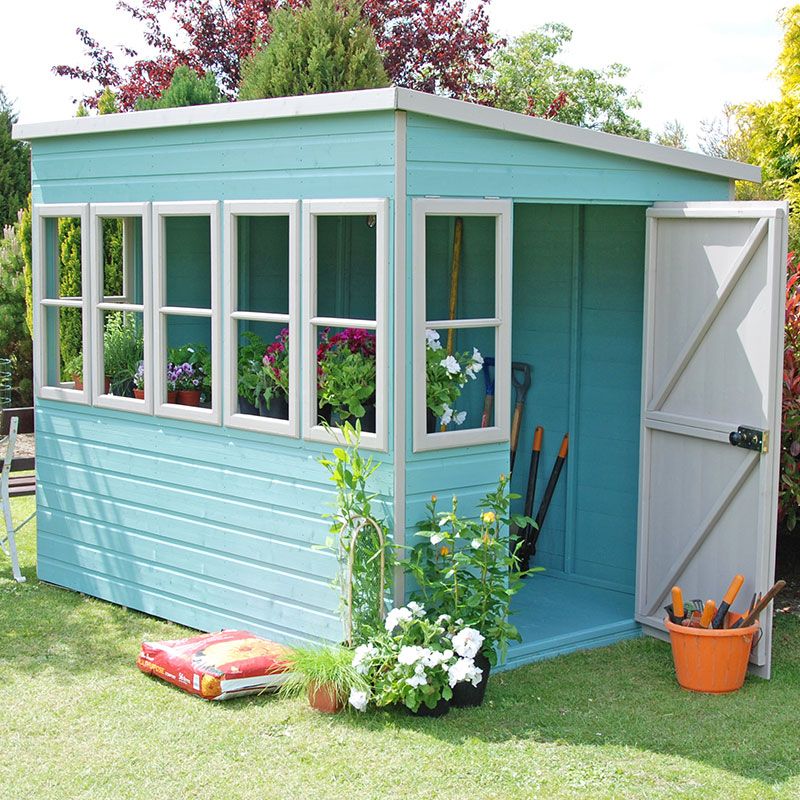
Hot tub sheds have become increasingly popular as homeowners seek to create their own personal oasis within the confines of their garden. These versatile structures not only provide a dedicated space for relaxation but also offer protection from the elements, ensuring that your hot tub experience remains enjoyable all year round.
When it comes to garden hot tubs, there are various options available that cater to different preferences and needs. Whether you’re an experienced DIYer looking for the perfect project or someone who prefers a ready-made solution, this blog post will guide you through selecting and installing your ideal hot tub shed.
Types of Garden Buildings for Hot Tub Sheds
Creating the perfect outdoor space for your hot tub is a must, and there are several garden building options to choose from. Let’s explore three popular types of garden buildings suitable for hot tubs: log cabins, summer houses, and sheds.
Log Cabins: A Luxurious Choice for Year-Round Use
Log cabins provide a rustic yet elegant setting that’s perfect for enjoying a relaxing soak in your hot tub all year round. These sturdy structures are typically made from high-quality timber logs that offer excellent insulation properties. By providing insulation from the elements, log cabins make it possible to enjoy a hot tub soak in comfort regardless of the season.
Additionally, log cabins often feature large windows or doors that allow natural light to flood in while offering picturesque views of your surroundings.
Summer Houses: Versatile Structures Perfect for Relaxation
If you’re seeking a calming escape to share with your loved ones, a summer house is an ideal choice. These versatile structures come in various styles and sizes so they can easily accommodate any size hot tub as well as additional seating areas or even storage spaces if needed. Plus, their open design allows fresh air circulation which is essential when using chemicals like chlorine or bromine commonly found in most hot tubs.
Garden Sheds: Quintessential British Back Garden Feature
If you prefer something more traditional but equally functional, a garden shed might be the right choice for you. These structures are typically smaller than log cabins or summer houses but can still house your hot tub comfortably.
Garden sheds come in various materials such as wood, metal, and plastic which allows you to choose one that best matches your style preferences and budget constraints. No need to be concerned if you don’t possess a lot of experience with home improvement – these garden sheds are simple to put together.
The ultimate selection of which kind of outdoor building to contain your hot tub will be based on elements like the space available, cost, and individual preferences. Whether you opt for a luxurious log cabin or a quaint garden shed, each option offers its own unique advantages that are sure to enhance your outdoor relaxation experience.
Incorporating a hot tub into any of these garden buildings will create a relaxing oasis where you can escape from daily stresses while enjoying the therapeutic benefits of hydrotherapy. Adding features like privacy screens, retractable coverings like large parasols or pergolas will enhance your outdoor spa experience. So, choose the garden building that suits your needs best and get ready to soak in style.
Key Takeaway: The different types of garden buildings suitable for hot tubs include log cabins, summer houses, and sheds. Log cabins are a luxurious choice with excellent insulation properties while summer houses offer versatility and fresh air circulation. Garden sheds are a more traditional option that is easy to assemble and come in various materials. Incorporating any of these structures into your outdoor space will create a relaxing oasis where you can enjoy the therapeutic benefits of hydrotherapy.
Factors to Consider Before Installing Hot Tub Sheds
Before diving into the installation of your dream hot tub shed or other garden building, it’s essential to consider several factors that will ensure your project is successful and long-lasting. From weight requirements to ventilation necessities, let’s explore these crucial aspects in detail.
Weight and Solid Base Requirements
First things first, your hot tub is heavy. You’ll need a solid foundation for both the structure and the area where the hot tub will be placed. This could involve constructing a concrete pad or using reinforced decking materials.
Make sure you consult with professionals if needed so that your base can withstand all forces exerted by your spa setup.
Ventilation Necessities
Steamy hot tubs are great for relaxation, but they can also create high humidity levels that lead to mold growth and structural damage. Ensure there are sufficient vents installed within walls, windows that open easily, or even exhaust fans designed specifically for hot tub environments.
Space Availability Inside or Outside Hot Tub Sheds
Make sure there’s enough room around your new addition – both inside and out. Consider the accessibility of electrical outlets and plumbing connections, and leave room for any additional features you might want, such as seating or storage areas.
Blending in with Surroundings
Think about how your hot tub shed will blend in with its surroundings. This could involve selecting complementary materials and colors or incorporating landscaping elements that help create a seamless transition between indoor and outdoor spaces.
Proper Insulation of Hot Tub Sheds
If you plan on using your hot tub year-round, proper insulation is a must. Insulating walls, floors, and ceilings can help maintain consistent temperatures within the structure while reducing energy costs associated with heating water during colder months.
By taking all these factors into account before installing a hot tub shed or other garden building, you’ll ensure that your project runs smoothly from start to finish – providing years of relaxation and enjoyment.
Key Takeaway: The key factors to consider before installing a hot tub shed or garden building include weight and solid base requirements, ventilation necessities, space availability inside and outside the structure, blending in with surroundings, and proper insulation. By taking these into account beforehand, you can ensure your project runs smoothly from start to finish while providing years of relaxation and enjoyment.
Placement Options of Hot Tub Sheds
Deciding whether to place your hot tub inside or outside of your garden building can be a tough call. There are several factors to consider, such as weather protection, accessibility, privacy concerns, and overall aesthetics. Both options have their own advantages depending on individual preferences.
Benefits of an Indoor Hot Tub
- Weather protection: By housing your hot tub within a garden building like a log cabin, you provide shelter from harsh weather conditions that could potentially damage it over time.
- Ambiance: An indoor installation allows for greater control over lighting and atmosphere, creating an intimate space for relaxation.
- Maintenance: Placing the hot tub indoors helps protect it from debris like leaves and dirt, which can reduce maintenance efforts required in keeping it clean.
- Safety & Privacy: An enclosed space offers increased safety by preventing unauthorized access while also providing additional privacy during use.
Benefits of an Outdoor Hot Tub
- Natural surroundings: An outdoor setup lets you enjoy nature’s beauty while soaking in your hot tub. The fresh air and open environment create a serene experience that is difficult to replicate indoors.
- Easier access & ventilation: Housing the hot tub outdoors ensures proper ventilation without needing extra equipment or modifications to existing structures; this also makes accessing electrical components easier when needed.
- Space savings: Choosing an outdoor placement frees up valuable interior square footage within your garden building for other purposes such as storage or additional seating.
- Customization options: With an outdoor hot tub, you have the freedom to create a unique space tailored to your preferences by incorporating landscaping elements like plants, rocks, and water features.
Ultimately, the choice between placing your hot tub inside or outside of your garden building comes down to personal preference and available resources. Weighing up the climate, usage frequency and ambiance you wish to cultivate should be taken into account when deciding where your hot tub will go.
Key Takeaway: There are advantages and disadvantages of placing a hot tub inside or outside of a garden building. Placing it indoors provides weather protection, ambiance control, easier maintenance, safety, and privacy while an outdoor installation offers natural surroundings, ventilation access, space savings for other purposes like storage or seating arrangements and customization options with landscaping elements. Ultimately the decision depends on personal preference and available resources.
Planning Permission Requirements for Hot Tub Sheds
Before you start building your hot tub shed or any other garden structure, make sure you know the planning permission requirements and building regulations in your area.
Don’t risk getting fined or having to take down your structure because you didn’t do your research. In this section, we’ll look into the necessary authorizations you could require and where to locate information particular to your area.
When Permits May Be Required
In most cases, garden buildings like sheds or log cabins are considered “permitted development” and don’t require planning permission. However, you might need to obtain approval from your local authority if:
- The structure will cover more than half of your property’s land area
- It exceeds specific height restrictions (usually around 2.5 meters)
- It will be placed within a designated conservation area or near a listed building
- You plan to use the space as living accommodation rather than just for leisure purposes
Confirm with your local council the requirements for planning permission, taking into account factors such as location, size and intended usage of the garden building. They can provide guidance on whether planning permission is needed based on factors such as location, size, and intended usage of the garden building.
Building Regulations Compliance
Even if you don’t need planning permission, you still need to make sure your hot tub shed complies with building regulations. These rules cover things like structural safety, energy efficiency, accessibility features, electrical installations, and drainage systems. Don’t skip this step.
Where to Find Information Specific To Your Location
Start by checking your local council’s website for the most accurate information about planning permissions and building regulations. Many councils provide detailed guidance, application forms, and contact details for further assistance. You can also talk to a professional architect or builder who knows your area well.
Key Takeaway: While many garden buildings don't require planning permission, it's essential to comply with building regulations covering structural safety, energy efficiency, accessibility features, electrical installations, and drainage systems. The readers are advised to check their local council's website or consult a professional architect/builder familiar with the area for guidance on specific information about planning permissions and building regulations.
Accessories and Features to Elevate Your Hot Tub Sheds Experience
Transform your hot tub shed into a luxurious spa oasis by incorporating various accessories and features. These additions not only provide protection from harsh weather conditions but also enhance the user experience during all seasons.
There’s nothing like a luxury log cabin and a hot tub to create the ultimate outdoor retreat. Incorporating a hot tub into your shed’s design can transform your garden building into an oasis for relaxation and enjoyment. Let’s explore some creative ideas on how to enhance your luxury log cabin experience with hot tubs.
Proper Coverings for Outdoor Hot Tubs
A high-quality hot tub cover is essential to maintain optimal water temperature, protect against debris, and reduce energy consumption. Look for covers made with durable materials that can withstand different weather conditions while providing excellent insulation. Don’t forget to invest in a sturdy cover lifter for easy removal and storage when not in use.
Gazebos and Pergolas for Your Hot Tub Shed Design
Gazebos and pergolas are perfect additions to any garden building housing a hot tub. They offer an attractive focal point while providing shade, privacy, and additional space for relaxation or entertainment. Gazebos come in various styles such as traditional wooden structures or modern metal designs, allowing you to choose one that complements your existing garden building perfectly.
Pergolas create an open-air atmosphere ideal for enjoying warm summer evenings under the stars without compromising on privacy or aesthetics. You can even add climbing plants like ivy or wisteria around the pergola’s frame to create a natural canopy effect over time.
Creating Separate Changing Rooms in Multi-Room Structures
If you have a larger garden building with multiple rooms, consider creating a dedicated changing room adjacent to the hot tub area. This convenient feature not only provides privacy but also keeps wet swimwear contained within one space – preventing water damage throughout other parts of the structure.
To create an inviting atmosphere in your changing room, add hooks or shelves for towels and robes along with comfortable seating options such as benches or chairs covered in moisture-resistant fabric materials.
Turning Hot Tub Sheds into a Private Spa Retreat
Ambient Lights
Add soft lighting around the perimeter of your log cabin and hot tub area. Illuminate the area with ambient illumination such as solar lamps, luminous strands, or luminaires to generate a pleasant and inviting atmosphere.
Comfortable Seating
Provide comfortable seating options near the hot tub for lounging before or after your soak. Consider adding outdoor sofas, chaise lounges, or hammocks to make the space more inviting.
Outdoor Rugs
Place an outdoor rug beneath your hot tub to protect the flooring while adding warmth and style to space. Choose from various materials such as polypropylene or natural fibers like jute and sisal that are suitable for outdoor use.
Landscaping
Enhance the overall aesthetic of your garden spa oasis by incorporating elements like water features, rock gardens, or flower beds surrounding the hot tub area. This not only adds visual interest but also helps create a tranquil environment perfect for unwinding after a long day.
Surround your log cabin with lush greenery and fragrant flowers that enhance the sense of relaxation. Planters filled with herbs like lavender or rosemary can add an aromatic touch to your private spa retreat.
Entertainment Options
Install an outdoor sound system so you can listen to music while soaking in the hot tub. Alternatively, consider setting up a waterproof television screen if you prefer watching movies during your spa sessions.
Incorporating these accessories into your hot tub shed design will elevate the overall experience while providing added functionality and enjoyment throughout all seasons. Don’t be afraid to get creative with different combinations of elements to truly make it your own personal retreat.
Key Takeaway: Transform your hot tub shed into a luxurious spa oasis by adding accessories such as high-quality covers, gazebos or pergolas. Incorporating ambient lighting options, comfortable seating and landscaping elements can also enhance the overall aesthetic of your garden spa oasis. Don't be afraid to get creative with different combinations of elements to make it truly your own personal retreat.
Hot Tub Sheds Maintenance & Care Tips
Proper maintenance is essential to ensure the longevity of both your garden building and hot tub. In this section, we will discuss key care tips, such as regular cleaning, checking for structural damage or wear, and maintaining appropriate water chemistry levels.
Regular Inspection
To keep your hot tub shed in top condition, it’s important to regularly inspect the structure for any signs of wear or damage. Check the roof for leaks, examine the walls and floor for rot or decay, and ensure that all doors and windows are properly sealed. Address any issues promptly to prevent further deterioration.
Keep the Area Clean
- Sweep up leaves and debris around your hot tub shed regularly.
- Clean spills immediately using an appropriate outdoor surface cleaner.
- Install guttering on your garden building to divert rainwater away from its base.
- Clean your hot tub cover periodically, following manufacturer instructions.
Proper Water Chemistry Balance
Maintaining balanced water chemistry is crucial for a clean and enjoyable spa experience, as well as protecting users’ health and equipment components like pumps and heaters. Here are some tips:

- Test your hot tub water regularly using a reliable test kit or strips.
- Regularly assess the amount of sanitizer, like chlorine or bromine, to keep the water free from hazardous microorganisms.
- Adjust pH and alkalinity levels as needed to maintain optimal balance in the water chemistry. Check out this hot tub chemistry guide for more information.
- Change your hot tub’s filter according to manufacturer recommendations, typically every one to two years depending on usage.
Incorporating these maintenance practices into your routine will help ensure that both your garden building and hot tub remain in excellent condition for many years of enjoyment. Remember that investing time now in preventative care will save you money down the line by avoiding costly repairs or replacements.
Key Takeaway: To keep your hot tub shed in good condition, regularly inspect it for damage and wear. Keep the area clean by sweeping up debris and cleaning spills immediately. Ensure proper water chemistry balance in the hot tub to maintain a clean and enjoyable spa experience while protecting users' health and equipment components like pumps and heaters.
FAQs in Relation to Hot Tub Sheds
Can you install a hot tub in your garden room?
Yes, you can install a hot tub in your garden room, but make sure it has proper ventilation, sufficient space, and structural support. Ensure the base is strong enough to handle the weight of the filled hot tub and that there’s access to necessary utilities like water and electricity. Consider these factors before installation.
What are the downsides of owning a hot tub?
The downsides of owning a hot tub include ongoing maintenance costs, increased energy consumption, potential safety hazards if not properly secured or monitored, and possible damage to your property if not installed correctly.
What do you need to have a hot tub in your garden?
To have a hot tub in your garden, ensure adequate space for installation with easy access for maintenance, provide electrical connections meeting local codes, establish proper drainage systems, consider privacy options such as fencing or landscaping, and maintain regular cleaning schedules.
What infrastructure do you need for a hot tub?
You’ll need several infrastructures for installing an outdoor spa: solid foundation capable of supporting its weight when full (e.g., concrete pad), dedicated electrical circuit adhering to local regulations, plumbing system ensuring efficient water supply/drainage, optional shelter like gazebo or pergola providing shade/protection, and privacy measures.
How can I hide my hot tub in my backyard?
You can use landscaping with plants or trees, install fencing or privacy screens, incorporate pergolas or gazebos into your design, or place it within an existing garden building like log cabins or summer houses.
How long can water stay in a turned-off hot tub?
If you treat the water with sanitizer chemicals before shutting down your spa system completely, you can leave water in the hot tub for up to a month, but it’s recommended to drain and refill your hot tub every 3-4 months under regular use.
Conclusion
Hot tub sheds are a backyard game-changer, providing privacy and protection for your hot tub. While it’s tempting to focus on pricing and installation services, personal experiences and opinions can provide valuable insight into the hot tub shed experience. Transform your backyard into a relaxing oasis with a hot tub shed!